











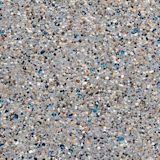
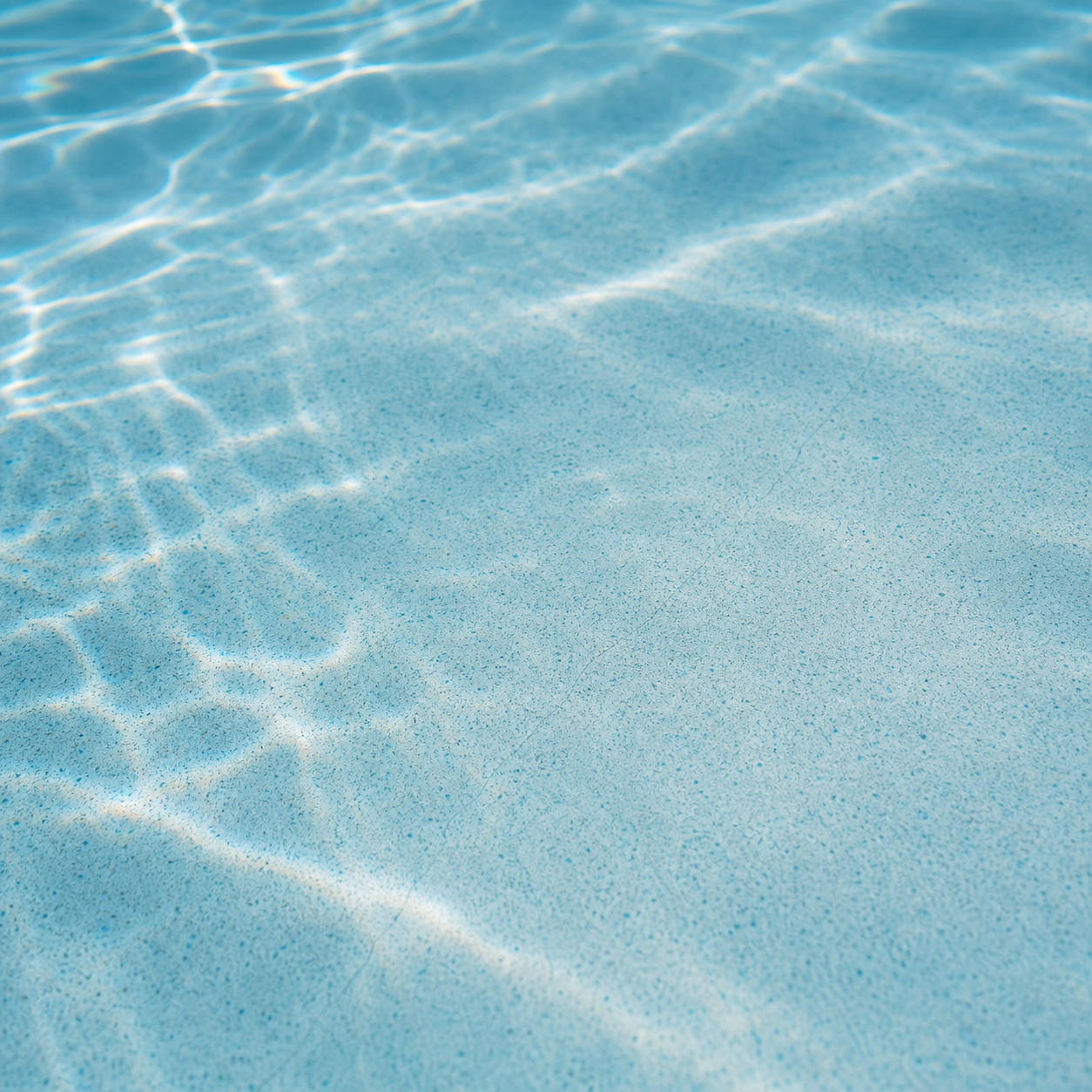
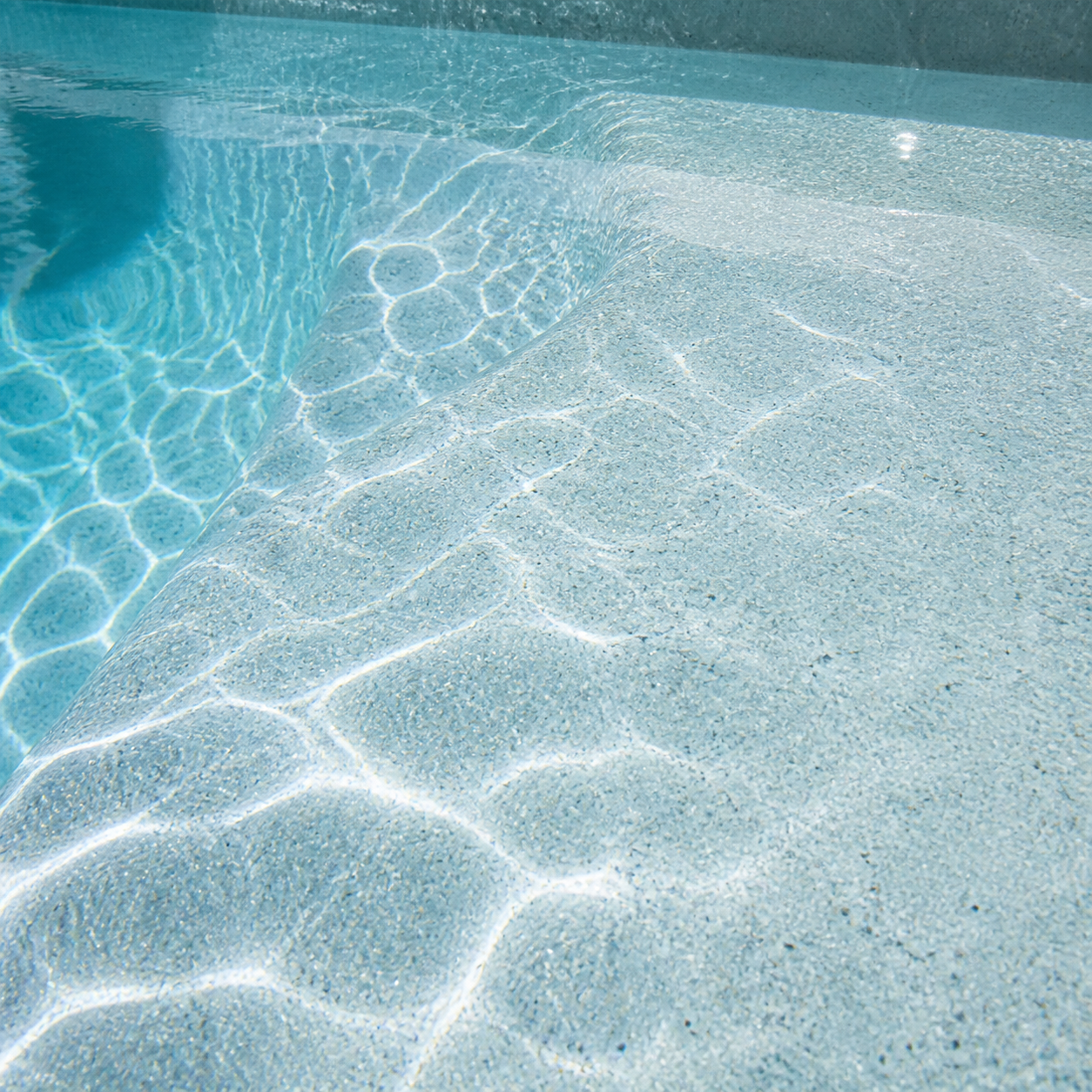
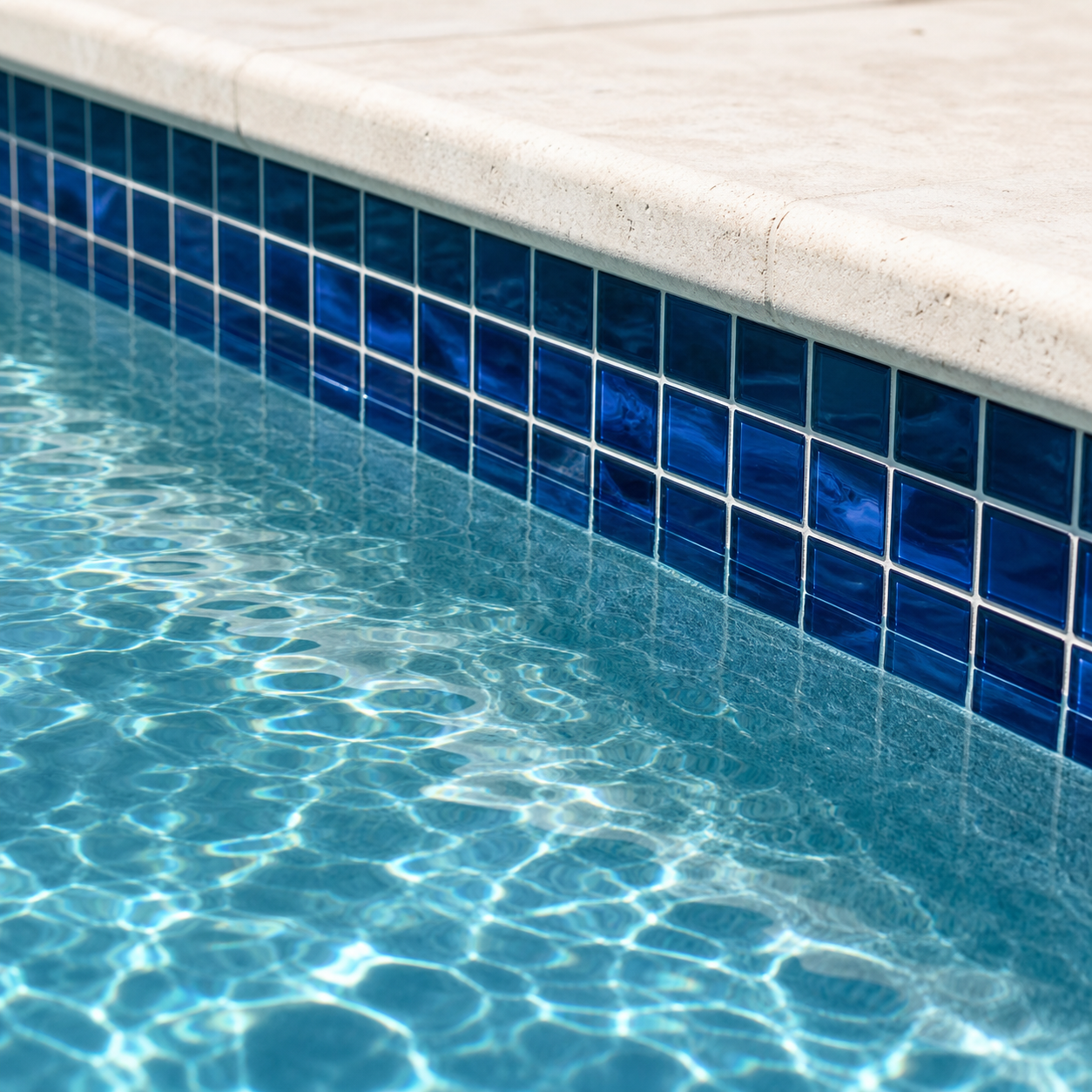
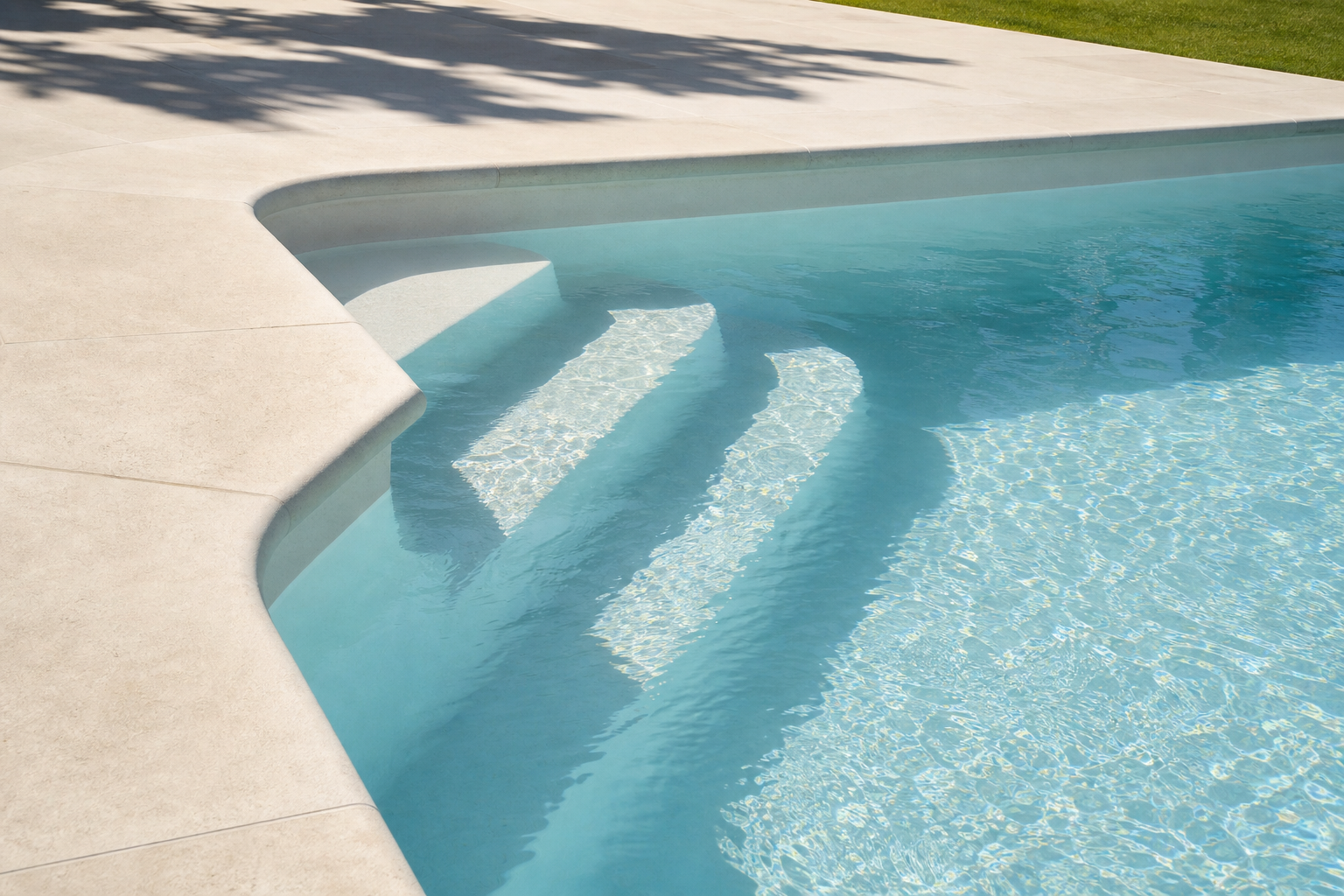
Classic White
Clean, smooth, timeless
A bright, traditional surface with an inviting water color.
Greater Los Angeles Area
Put a finish on the pool in the visualizer. Then we mix it and trowel it on site in plaster, pebble, quartz, or tile.
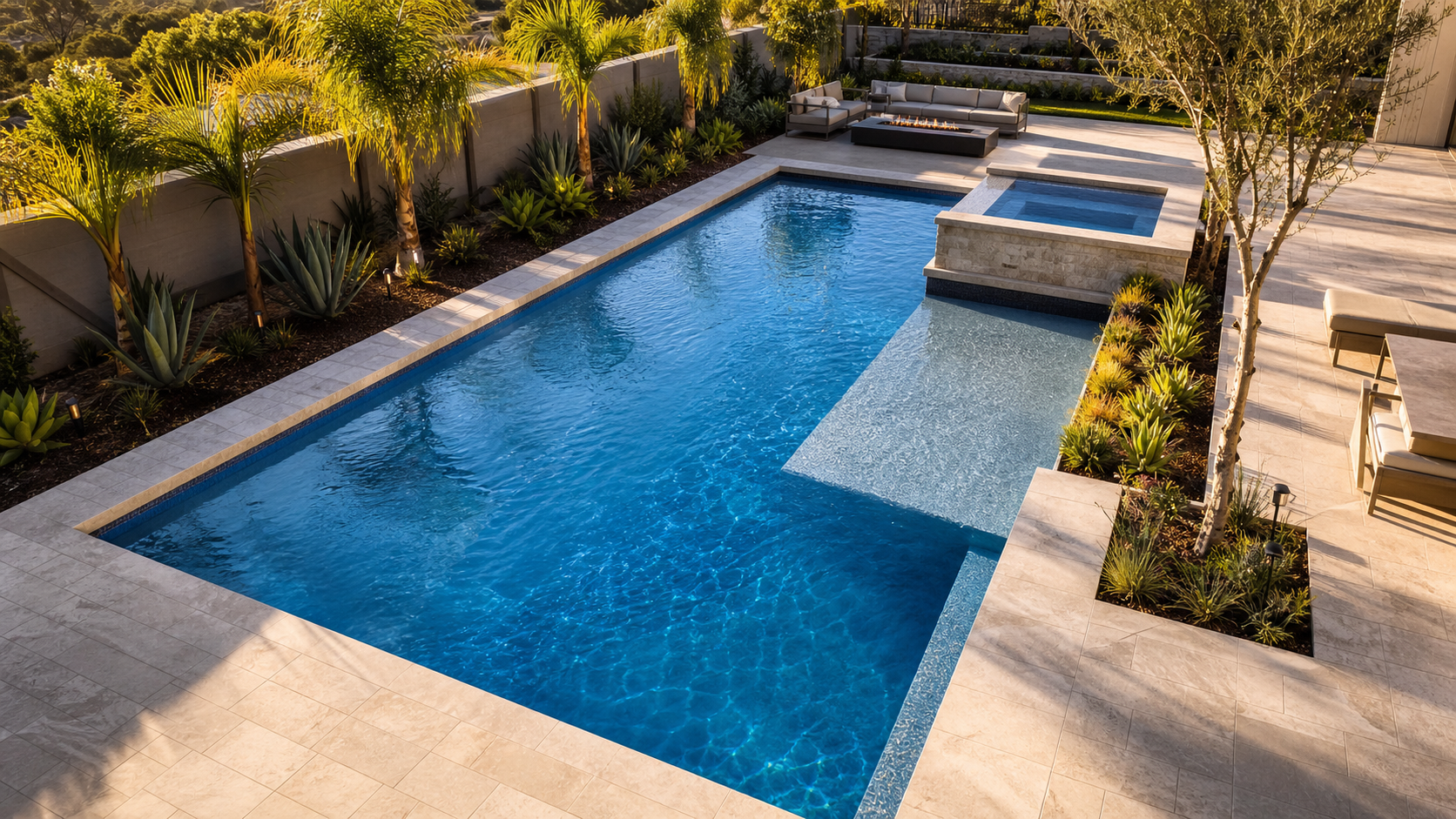
Explore finish options, estimate your project, and make a confident decision before work begins.
Explore how finish color, water depth, and tile work together before you commit to a surface.
Open the visualizer →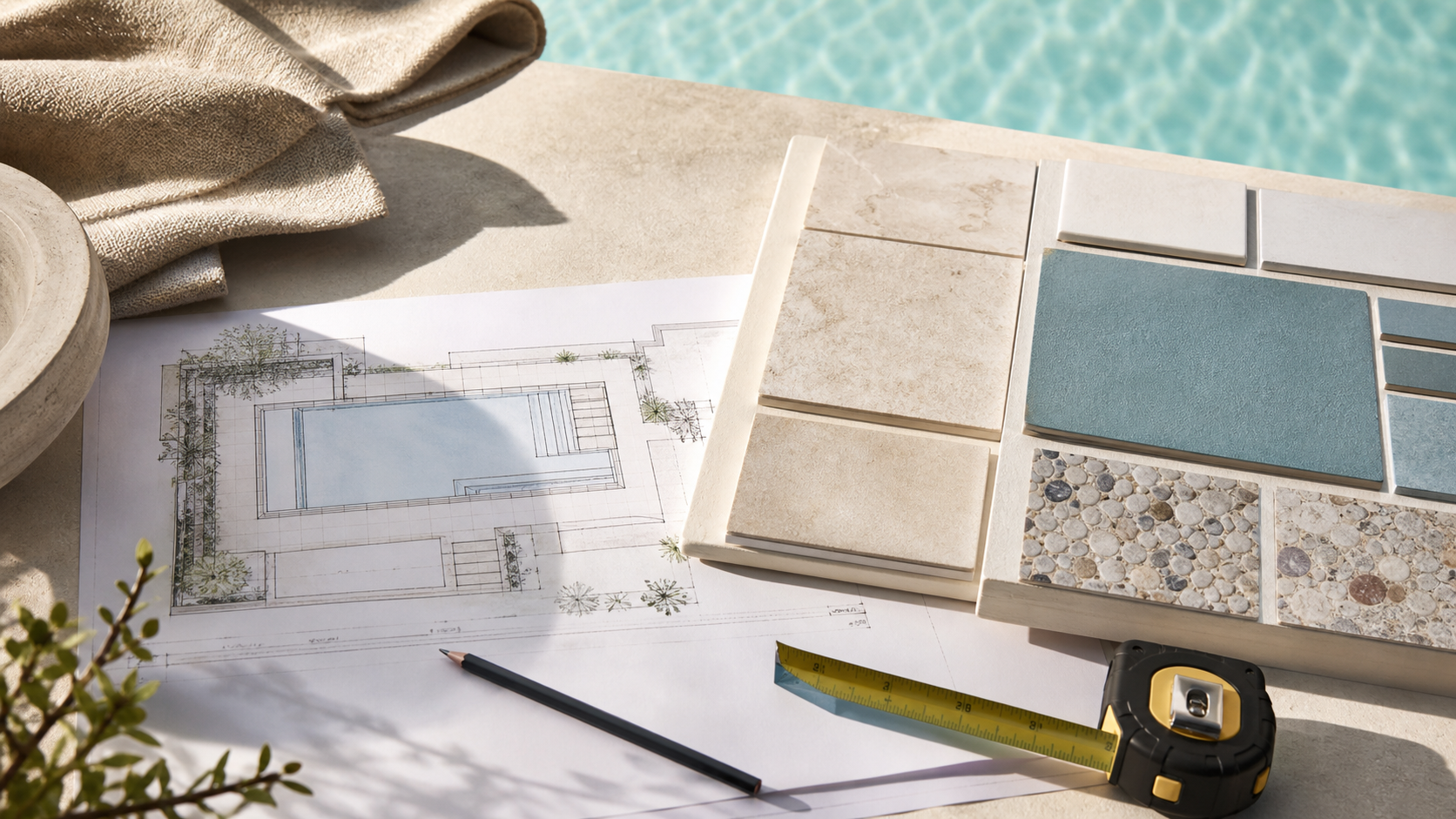
Build a ballpark quote in 60 seconds: pool size, finish, tile, repairs. See lifetime cost-per-year, not just sticker price.
Estimate my project →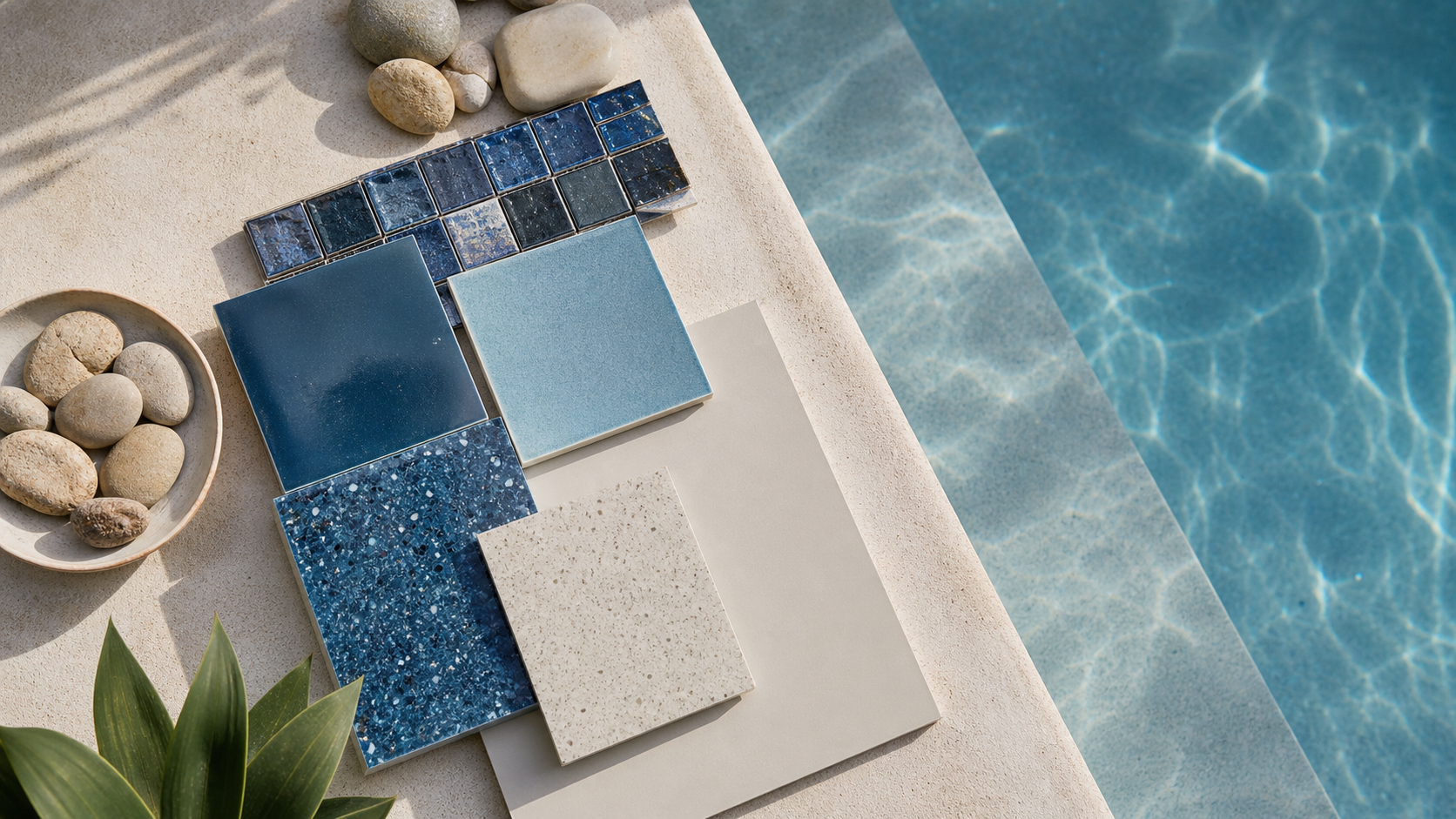
A few questions. Your top three finishes, scored to budget, feel, and how you actually use the pool.
Find my finish →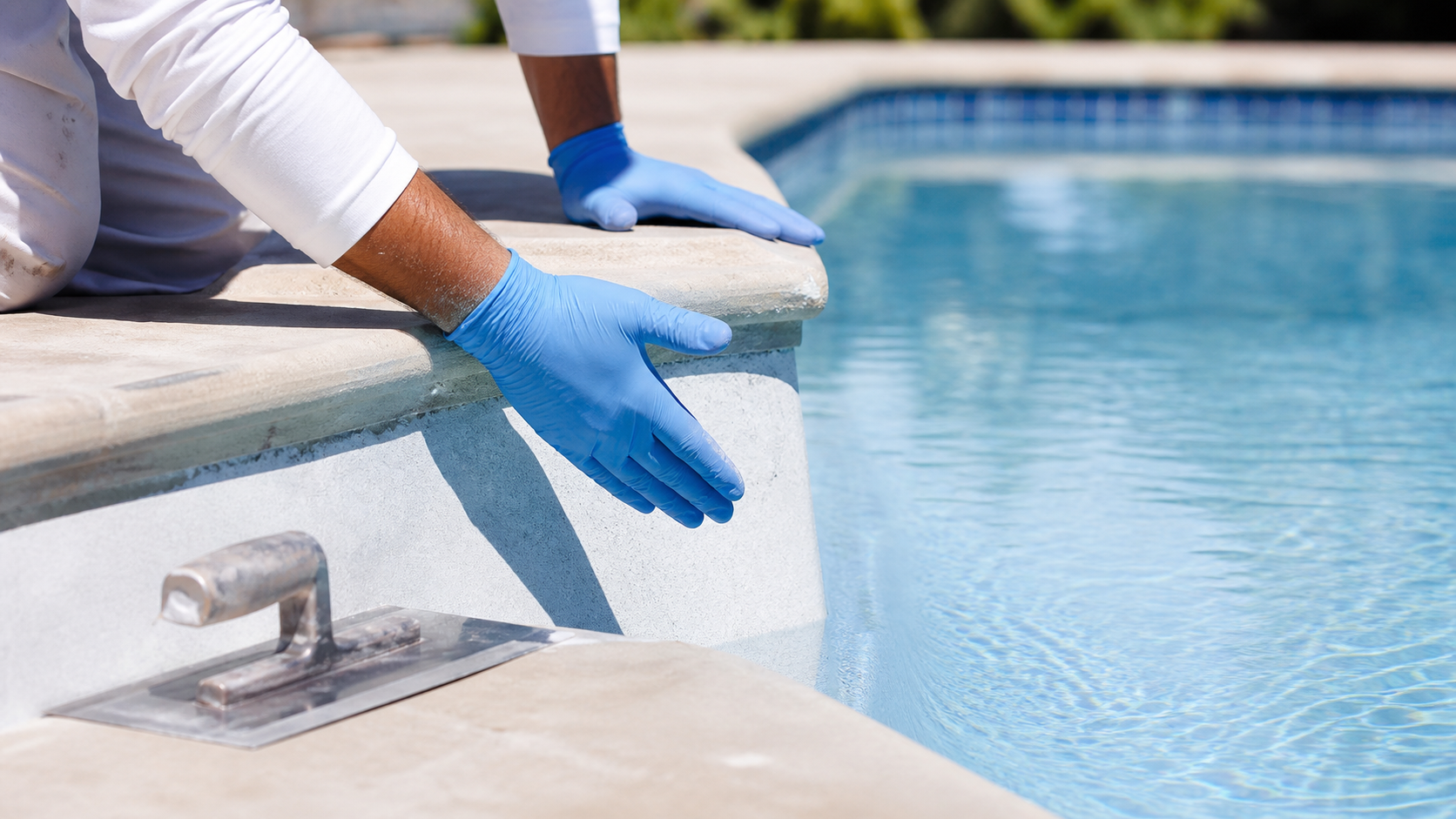
Stains, cracks, rough spots, gray streaks? Tap your symptom and get a straight answer about what it is and how urgent. No 3 a.m. search spiral required.
Diagnose my pool →Every surface is prepared and finished by hand. Choose the material that best fits your pool, your home, and your priorities.
The original marcite finish: bright, clean, and budget-friendly. The white T-shirt of pool finishes. Simple, classic, always works.
Crushed natural stone blended into the plaster for a textured, slip-resistant surface built to outlast standard plaster by years.
Ground quartz aggregate adds color depth and extra durability, a step up in strength without the cost of full pebble.
Chips, hollow spots, and hairline cracks patched and blended so the repair disappears into the surrounding surface. Now you see it, now you don't.
Strips scale, stains, and buildup to restore shine on plaster that just needs a refresh, not a full redo. Basically a spa day, for your actual spa.
Waterline tile reset or replaced during resurfacing so the whole pool edge looks finished, not patched.
Drain, demolition, the new finish, the fill, and startup happen on every job. Bond coat and acid wash are added only when that shell or finish actually needs them.
Pool is drained and the shell is inspected for cracks or plumbing issues before the old finish comes off.
The old finish is removed down to a sound shell so the new surface has something clean to bond to.
Not every shell gets one. When it does, a bonding layer locks the new finish down so it will not delaminate or hollow out later.
Plaster, pebble, or quartz applied and hand-troweled to an even surface, the step that separates a good job from a great one.
Every pool is filled in one continuous fill, so the waterline does not ring. An acid wash is added only when that finish needs it to show its true texture and color.
Water chemistry balanced and watched through the first 30 days so the new plaster cures hard and even.
See how distinct materials shape a pool’s color, texture, and overall character.
A bright, traditional surface with an inviting water color.
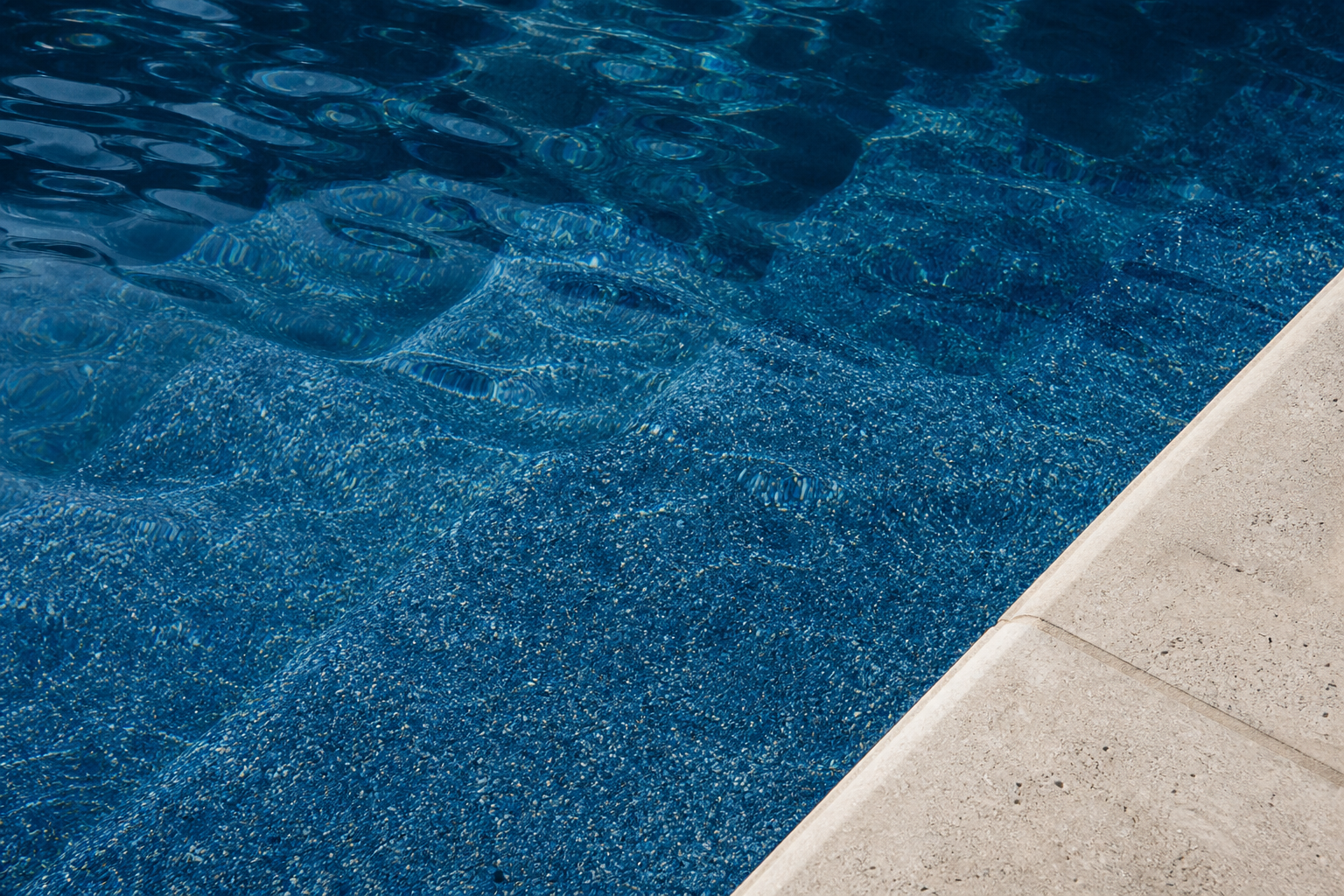
Aggregate-rich depth designed for durability and character.
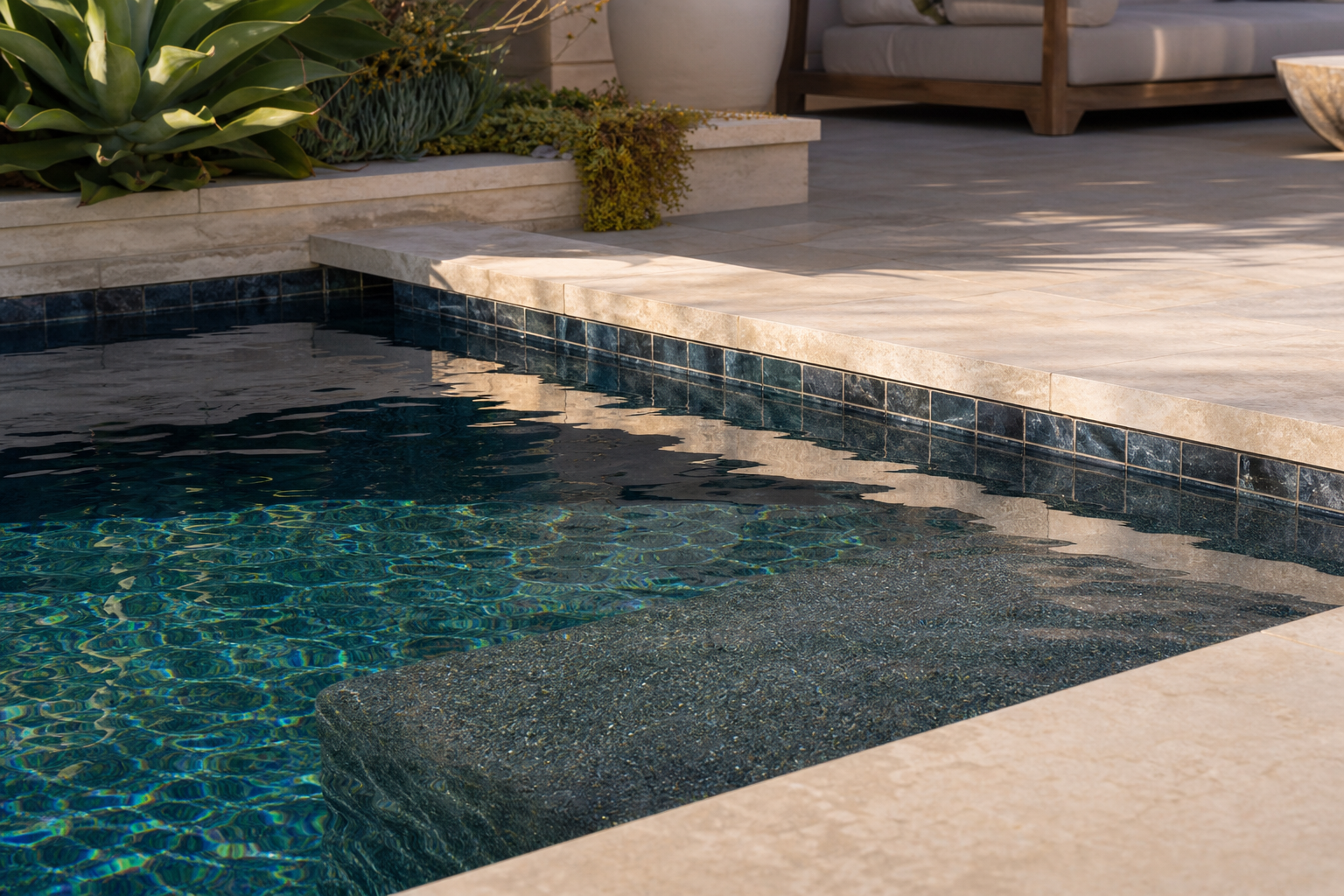
A refined balance of color, performance, and comfort.
They replastered our pool in two days and it's held up rock solid for three years, no hollow spots, no fading.
Went with the pebble finish after getting three quotes. Best texture and by far the most careful crew we talked to.
Our old plaster was chalky and gray. It looks brand new now, and the water balance stayed perfect after the fill.
Payments
Financing is available on qualifying replaster jobs. Mention it on your estimate and we’ll go through the options with you.
Los Angeles · Orange County · Inland Empire, and everywhere in between.
The short versions. The full library, glossary, stain diagnosis, startup guide, and 20+ FAQs, lives in our Learn hub.
Most standard replasters take 3-5 working days from drain to refill: drain and chip-out, prep and bond coat, finish application, then acid wash and fill. Pebble and tile work can add a day or two. After that comes the 30-day startup period while the surface cures underwater.
In the LA market, classic plaster typically runs $5,500-$7,500 for a standard pool, quartz $7,500-$10,500, and pebble $9,500-$13,500. Glass bead and polished finishes run higher. Size, condition, and tile work move the number, build your own ballpark estimate here.
With balanced water chemistry: classic plaster 5-10 years, quartz 7-12, pebble 15-20+, glass bead 15-20. The single biggest factor isn't the material, it's the startup and ongoing water balance. That's why we handle startup on every job.
It depends on how you rank feel, look, lifespan, and budget. Smooth plaster is the classic budget pick; pebble lasts longest; glass bead is the luxury of both. Use the Finish Guide or preview colors in the visualizer.
Sometimes. Isolated chips, small hollow spots, and hairline cracks can be spot-repaired and blended. But widespread staining, roughness, or delamination means patches will keep chasing the problem, a full resurface is usually cheaper per year of life. Diagnose your symptoms here.